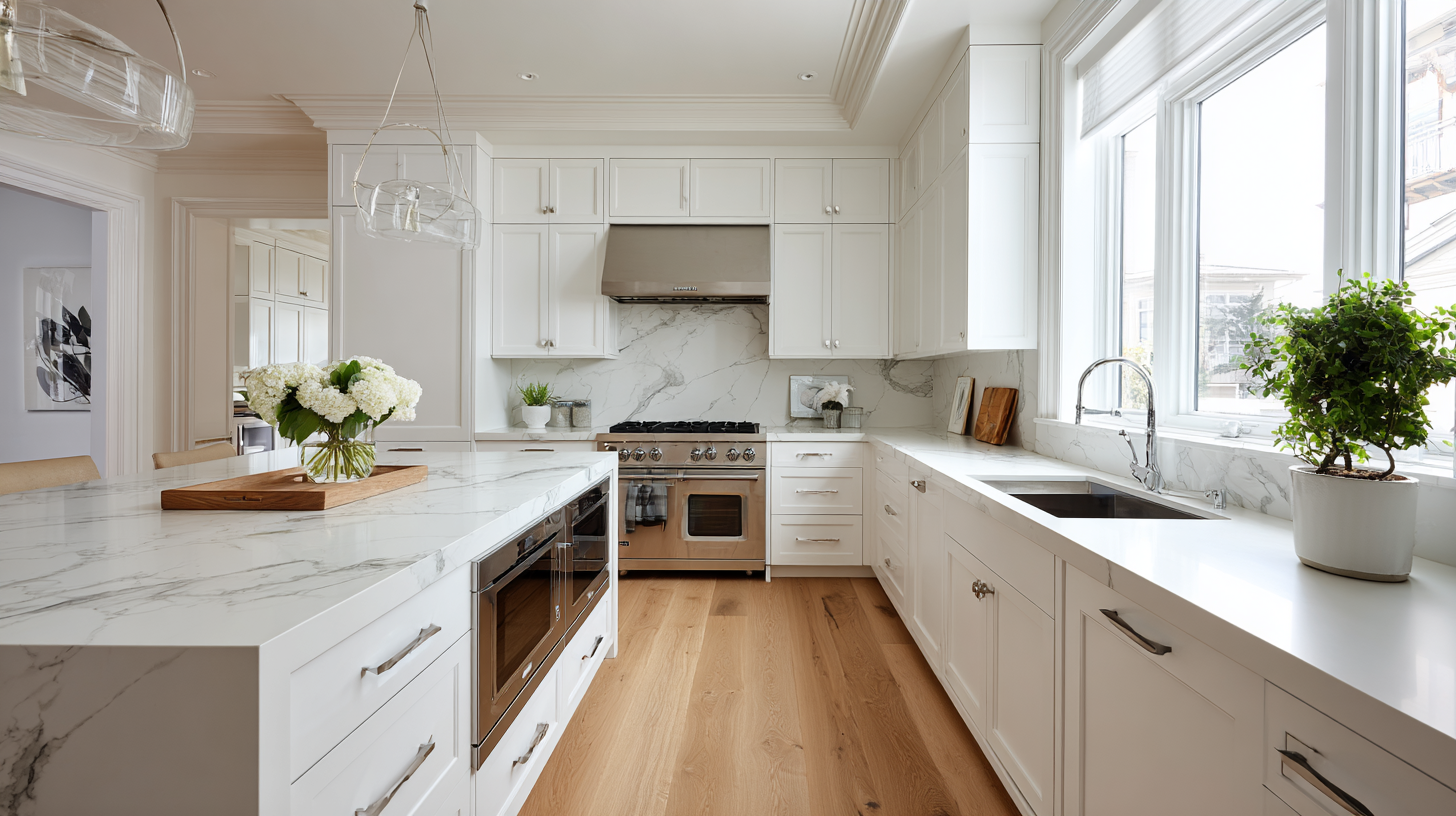
So, your property is repaired, decluttered, freshly painted, well-lit, spotless, staged, and the curb looks inviting. Congratulations — the hard part is mostly behind you. But all of that preparation leads to one moment that really counts: the visit. This is when buyers stop looking at pictures and start imagining their life inside your walls, and how a visit is handled can make the difference between an offer and a polite "we'll think about it." Here are a few things to do, and a few to avoid, when buyers come knocking.
1. Do: Get the home visit-ready
Staging your home once is great, but each visit deserves a quick refresh. Right before buyers arrive, open all the curtains and blinds to let natural light pour in, and turn on the lights too — yes, even during the day. A bright home feels bigger and more welcoming. Set the temperature to something comfortable, since nobody enjoys touring a freezing or sweltering house, and air out the rooms beforehand if you can. A final ten-minute tidy — dishes away, beds made, counters clear — goes a long way. A subtle, fresh scent doesn't hurt either, but keep it light; overpowering air fresheners just make people suspect you're hiding something.
2. Do: Lock away valuables and private information
Here's an uncomfortable truth: not everyone who walks through your door is there to buy. Strangers will be wandering through your home, and some of them will open closets and cabinets. Before any visit, put away jewelry, cash, small electronics, spare keys, and prescription medication somewhere safe and out of sight. The same goes for anything personal — mail, bank statements, the password stuck to your monitor, that laptop sitting open on the kitchen table. It only takes a moment to secure these things, and you'll have a lot more peace of mind.
3. Do: Take care of your pets
You may adore your cat or dog, but a buyer might be allergic, afraid, or simply distracted by them. Whenever possible, remove pets from the home during a visit — take them with you or have a friend watch them. If that isn't an option, contain them safely and warn your visitors in advance. Either way, tuck away the litter box, food bowls, toys, and beds, and make absolutely sure there are no lingering smells. People often can't quite name why a house feels off, and a faint pet odor is frequently the culprit.
4. Do: Be flexible with showing times
The easier your home is to visit, the more people will visit it, and the faster it tends to sell. Buyers have busy and unpredictable schedules, so try to accommodate evenings, weekends, and the occasional last-minute request. It can be a hassle, especially if you're still living there, but turning away a potential buyer because the timing was inconvenient is a missed opportunity you can't get back. Keep the home in show-ready condition so you're never scrambling when someone wants to come by.
5. Don't: Stay in the house
This is the big one. When the owner lingers during a showing, buyers feel like guests intruding on someone else's space rather than future owners exploring their own. They won't open that pantry, linger in the primary bedroom, or speak openly about what they like and dislike — and that honest conversation is exactly what moves a sale forward. So leave. Go for a walk, run errands, grab a coffee. If you've hired a broker, this is precisely what they're for, so let them do their job. And if you truly must be present, stay out of the way and resist the urge to follow buyers from room to room narrating every feature. Let them discover the home at their own pace.
6. Don't: Hide the property's flaws
It's tempting to gloss over that finicky window or the basement that takes on a little water in heavy rain, but hiding problems almost always backfires. Buyers and their inspectors are thorough, and a concealed defect, once discovered, destroys trust and can sink the deal — or land you in legal trouble down the road. Be upfront about known issues. Honesty actually works in your favor: a seller who's transparent about a few minor flaws comes across as trustworthy, which makes buyers more comfortable with everything else.
7. Don't: Negotiate on the spot
If a buyer or their agent starts talking numbers during a visit, resist the urge to react, counter, or commit to anything right then and there. Showings get emotional, and a comment made in the moment can weaken your position before negotiations have even begun. Stay polite, thank them for their interest, and let offers come through the proper channel — ideally your broker. The same goes for feedback: if someone criticizes your home, don't get defensive. Take note, say thank you, and move on. Every comment is information you can use.
Takeaway
A great visit is part preparation, part restraint. Do the small things that make your home feel bright, safe, and welcoming, stay flexible so buyers can actually get through the door, and protect your valuables and your privacy while they do. Then, just as importantly, know when to step back: leave the house, let buyers breathe, be honest about what they're getting, and save the negotiating for later. Get this balance right and you give every visitor the best possible chance to picture themselves at home — which is, after all, exactly what you want.